

Converting $25 Card Balance to Naira Today: Key Factors to Consider
When looking to convert a $25 card balance to Naira today, the first critical step is checking the real-time exchange rate between the US Dollar (USD) and the Nigerian Naira (NGN). Exchange rates fluctuate constantly due to market conditions, so the mid-market rate (the midpoint between buy and sell
When looking to convert a $25 card balance to Naira today, the first critical step is checking the real-time exchange rate between the US Dollar (USD) and the Nigerian Naira (NGN). Exchange rates fluctuate constantly due to market conditions, so the mid-market rate (the midpoint between buy and sell rates) is a good baseline—for example, if today’s mid-market rate is 1 USD = 845 NGN, a $25 balance would equal 21,125 NGN in theory. However, this figure rarely reflects the actual amount received, as most conversion methods charge fees or apply a spread (the difference between the rate offered and the mid-market rate).
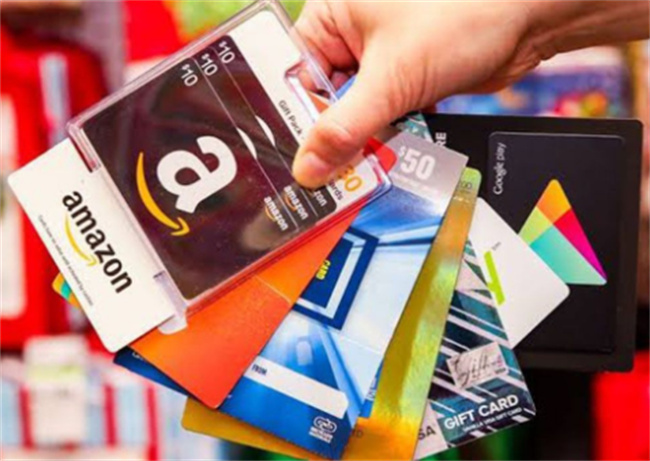
The method chosen for conversion plays a major role in the final Naira amount. Peer-to-peer (P2P) platforms often connect individuals directly, which can lead to more favorable rates but requires careful vetting of trading partners to avoid scams. Traditional bank transfers typically have higher fees and longer processing times—sometimes up to a few business days—meaning the rate could shift before the funds reach the recipient’s account. Dedicated online payment services may offer faster transactions but often charge a fixed fee (e.g., $1-$3) or a percentage of the amount, which can significantly reduce the $25 balance if the fee is high.
For today’s conversion, there are additional practical considerations to keep in mind. First, confirm that the conversion service supports the card type you’re using and allows transfers to Nigerian bank accounts or mobile wallets (common in Nigeria for easy access to funds). Second, be aware of local regulatory requirements—many services require identity verification to comply with anti-money laundering (AML) rules, so having your ID ready can prevent delays. Third, check for hidden fees: some services may advertise low rates but add extra charges for currency conversion, transfer, or recipient fees. Finally, timing matters—converting at a time when the USD is strong against the Naira can maximize the Naira amount you receive, so monitoring rate trends briefly before proceeding is wise.
It’s also important to consider the recipient’s accessibility to the funds. If the recipient uses a mobile money wallet (popular in Nigeria due to widespread mobile penetration), choosing a service that supports direct wallet transfers can be faster and more convenient than bank transfers, which may require physical branch visits or longer processing. Additionally, some services offer instant notifications when funds are sent and received, allowing both parties to track the transaction in real time. For a small amount like $25, ensuring that the total fees don’t exceed 10-15% of the balance is key to getting a reasonable value in Naira.